Romanian Wine Heritage
Ancient and Medieval Times
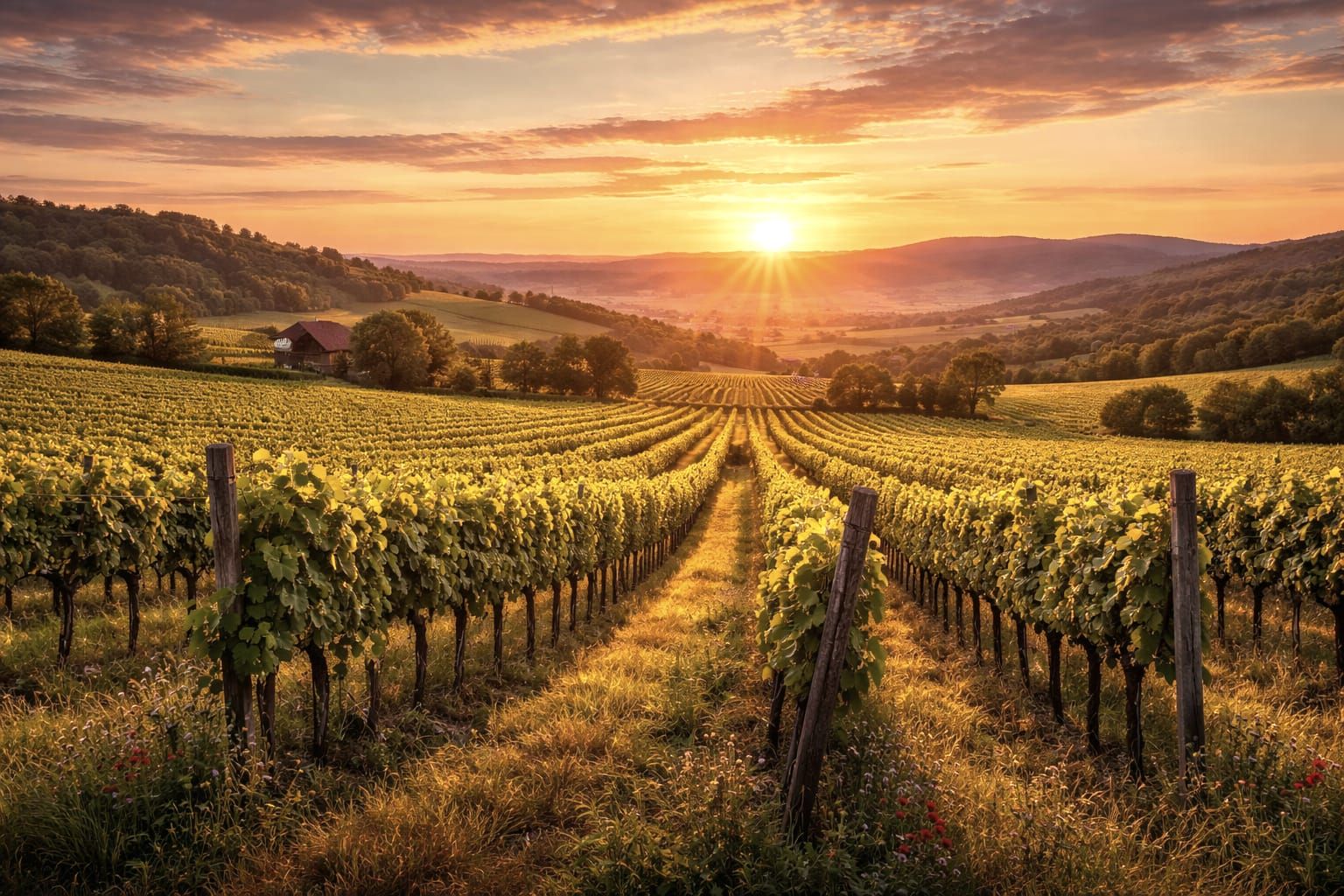
Romania has one of the oldest and most continuous winemaking
traditions in Europe, with roots stretching back over 6,000 years.
Archaeological evidence shows that vine cultivation existed in the
territory of modern-day Romania long before the Roman conquest.
When the Romans arrived in Dacia in the 2nd century AD, they
further developed viticulture, expanding vineyards and refining
production techniques.
During the Middle Ages, monasteries played a key role in
preserving and advancing winemaking knowledge. Over time, distinct
wine regions emerged, many of which remain important today. Areas
such as Moldavia, Transylvania, and Wallachia developed strong
local traditions, influenced by their climate, soils, and cultural
exchanges with neighboring regions.
Modern Times
In the 19th century, Romanian viticulture was significantly
affected by the phylloxera crisis, which devastated European
vineyards. The industry was gradually rebuilt through grafting
local grape varieties onto resistant rootstocks. The 20th century
brought large-scale production during the communist period,
focusing primarily on quantity. However, since the 1990s, Romania
has undergone a remarkable transformation, with substantial
investments in modern technology and vineyard management.
Today, Romania is one of the largest wine producers in
Europe, combining indigenous grape varieties such as Fetească
Neagră, Fetească Albă, and Fetească Regală with international
cultivars. Contemporary Romanian wineries emphasize quality,
terroir expression, and authenticity, earning growing recognition
on the global wine stage.

Fact: Romania is home to some of Europe’s oldest documented vineyards.